

⚡ TL;DR: Learn what Denver locals prioritize first in roof inspections, from safety gear and hail-damaged shingles to flashing, gutters, vents, and drainage to avert storm leaks and damage.
📋 What You’ll Learn
Discover what Denver locals prioritize in roof inspections to catch hail, wind, and storm damage early, saving thousands in repairs amid Colorado's tough weather.
- Master safety gear for Denver roofs including harnesses, non-slip shoes, and weather checks to avoid falls during high-wind or icy inspections.
- Spot shingle damage from hail and UV by checking granule loss, cracks, and bruising that signal urgent repairs before leaks start.
- Inspect flashing and seals for leaks around chimneys, vents, and valleys where Denver storms often cause hidden water intrusion.
- Clear gutters before monsoon season to prevent overflow, ice dams, and structural damage from debris buildup in Colorado rains.
- Examine overlooked edges and vents for early rot, loose fittings, and pest entry that locals flag to extend roof life.
📖 Reading time: 7 min
✍️ Author expertise: Denver roofing pro with 20 years inspecting storm-damaged roofs in Colorado.
Denver's wild weather hits roofs like a heavyweight champ—hail the size of golf balls one day, scorching sun the next.
Smart locals don't wait for leaks to turn their attic into a swimming pool; they climb up and check these spots first to dodge a $20,000 repair bill.
Want the exact checklist that saves Denver homeowners thousands? Keep reading to spot trouble before it spots you.
Safety First: Essential Gear and Precautions for Denver Roof Checks
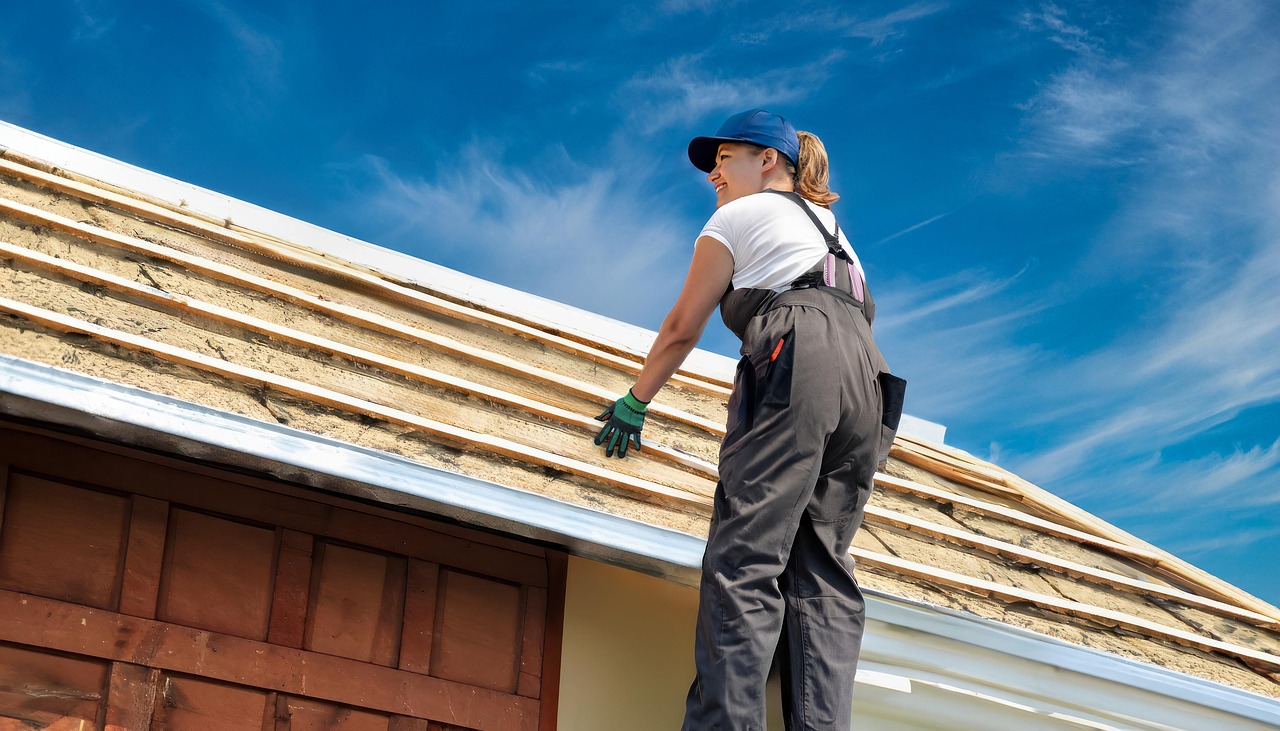
One slip on a steep Denver pitch, and you're looking at a hospital bill bigger than your roof repair. Locals know this drill cold. Start every check with the right setup, or don't bother climbing up.
Gear That Keeps You Alive
- Sturdy extension ladder rated for your weight, secured at the top and base.
- Harness and rope anchored to a solid point. No shortcuts here.
- Non-slip boots with good ankle support. Rubber soles grip hail-beaten shingles best.
- Heavy gloves, safety glasses, and a hard hat. Debris flies in high winds.
- Flashlight or headlamp for shady spots under eaves.
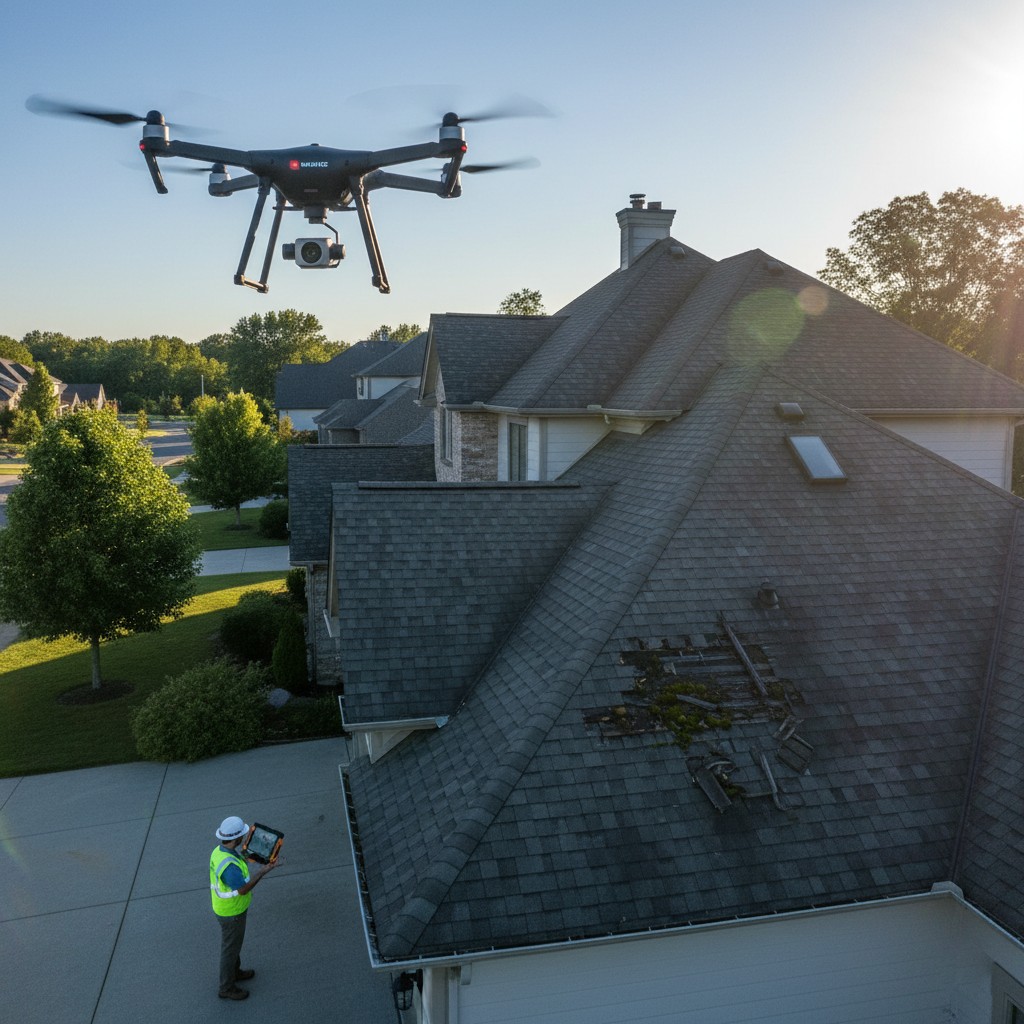
Inspect from the ground first. Use binoculars to scan the whole roof without risking a fall. Tell a buddy your plan, and check the weather app twice, Denver storms brew fast.
Never work alone or after dark. Test every ladder rung before you climb. Spot rot or loose boards from below, and call pros if the roof feels sketchy.
Shingles Under Fire: Identifying Hail, UV, and Wind Damage
Start here. Your shingles take the first pounding from Denver's brutal hail storms and high-altitude sun. Spot the damage early, and you skip the nightmare of a full replacement.
Hail Hits Hard
Golf-ball sized hail leaves bruises you can feel. Press your thumb on the shingle. If it dents like a soft apple, call pros fast.
- Granules missing in random spots? Hail stripped them.
- Cracked or fractured edges? That's a red flag for leaks.
- Random dings across the roof? Not normal wear.
UV Rays Crack and Curl
Colorado's intense sun bakes shingles brittle over time. Look for fading colors or buckling up at the edges. Those curls trap water and speed up rot.
Check south-facing slopes hardest hit. Soft spots underfoot mean UV has won.
Wind Lifts and Strips
Our gusty Front Range winds rip shingles loose. Hunt for missing tabs or fish-mouthed lifts at the corners.
No claw marks from animals? Then wind tore them free. Tape them down temporarily, but schedule that inspection now.
Flashing and Seals: The Hidden Leaks That Denver Storms Exploit
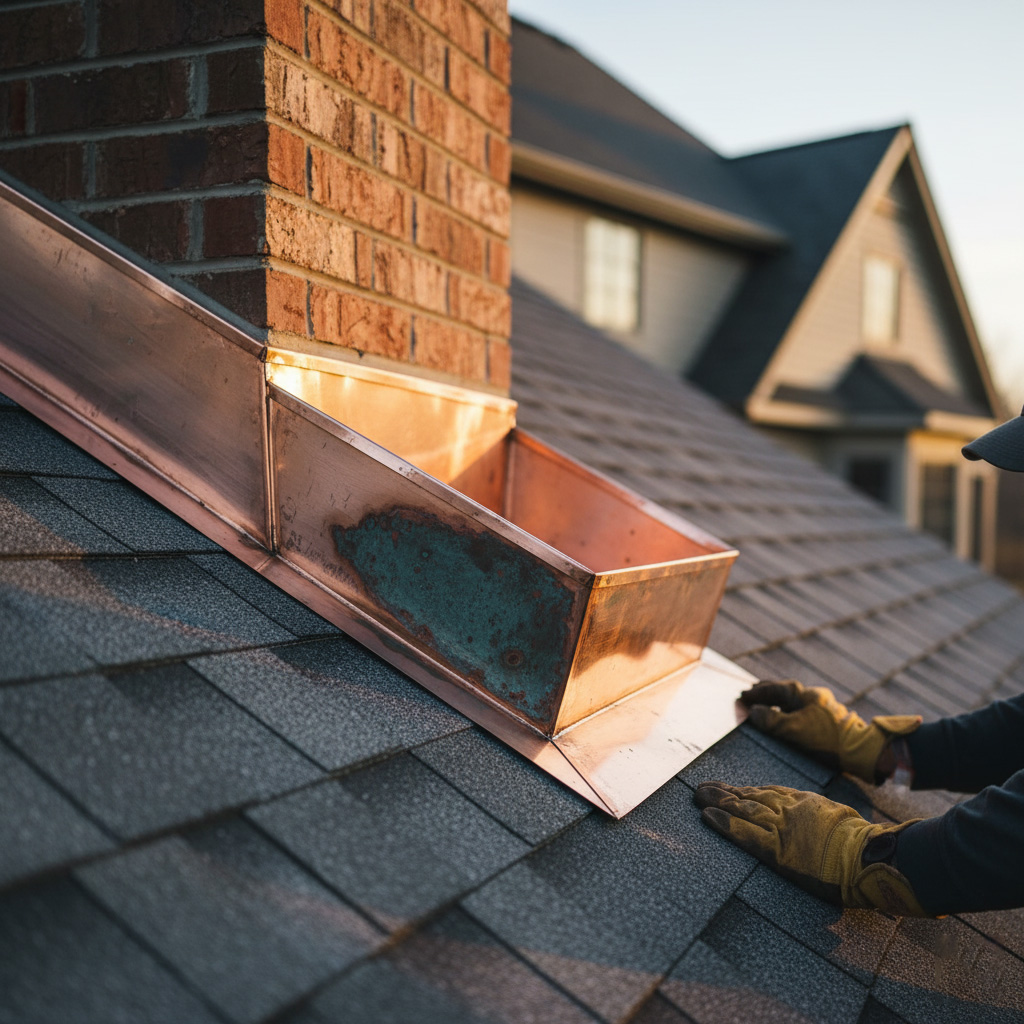
Flashing sits around your chimney, vents, and where the roof meets the walls. It's your first line of defense against water sneaking in. Denver's sudden downpours and wind gusts love pounding these metal strips until they lift or crack.
Quick Checks for Trouble
- Lifted edges: Poke gently. If it moves more than a hair, water's your uninvited guest.
- Rust or dents: Hail turns shiny flashing into a rusty mess fast. Spot orange streaks? Act now.
- Caulked seals around pipes: Squeeze the sealant. Cracked or missing? Stormwater will pool and rot your decking.
Skip these spots, and you'll find dark stains inside your attic come winter. One small gap cost a Littleton family $8K in mold cleanup last summer. Grab a flashlight. Run your fingers along every seam before the next squall hits.
Gutters and Drainage: Clearing Debris Before Monsoon Season Hits
Denver's sudden downpours turn gutters into battlegrounds. Clogged ones overflow, soaking your foundation and siding. Check them now, or watch monsoon rains punch holes in your wallet.
Spot the Sneaky Blockages
Grab a ladder and scan from the ground first. Look for sagging sections or pools of standing water. Those are dead giveaways for trouble brewing.
- Leaves and twigs packed tight like a beaver dam.
- Granules from shingles piling up downstream.
- Cracked gutters pulling away from the roof edge.
Flush with a garden hose to test flow. Water should race straight to the downspouts, no backups. Fix minor clogs yourself; call pros for busted seams before the next storm rolls in.
Chimneys, Vents, and Edges: Overlooked Spots for Early Trouble
Denver roofs take a beating from high winds and ice buildup. Chimneys, vents, and edges often escape notice until water sneaks in. Spot issues here early, and you avoid mold in your walls or collapsed sections.
Chimney Check: Cracks and Flashing Failures
Grab binoculars for a close look at your chimney. Cracks wider than a pencil lead mean water will pool and freeze, shoving bricks loose. Loose or rusted flashing around the base screams future leaks.
- Scrub off moss or soot to reveal hidden splits.
- Test mortar by poking it; crumbly stuff needs tuckpointing now.
- Missing chimney caps? Hail will shred your interior fast.
Vents and Edges: Wind's Favorite Targets
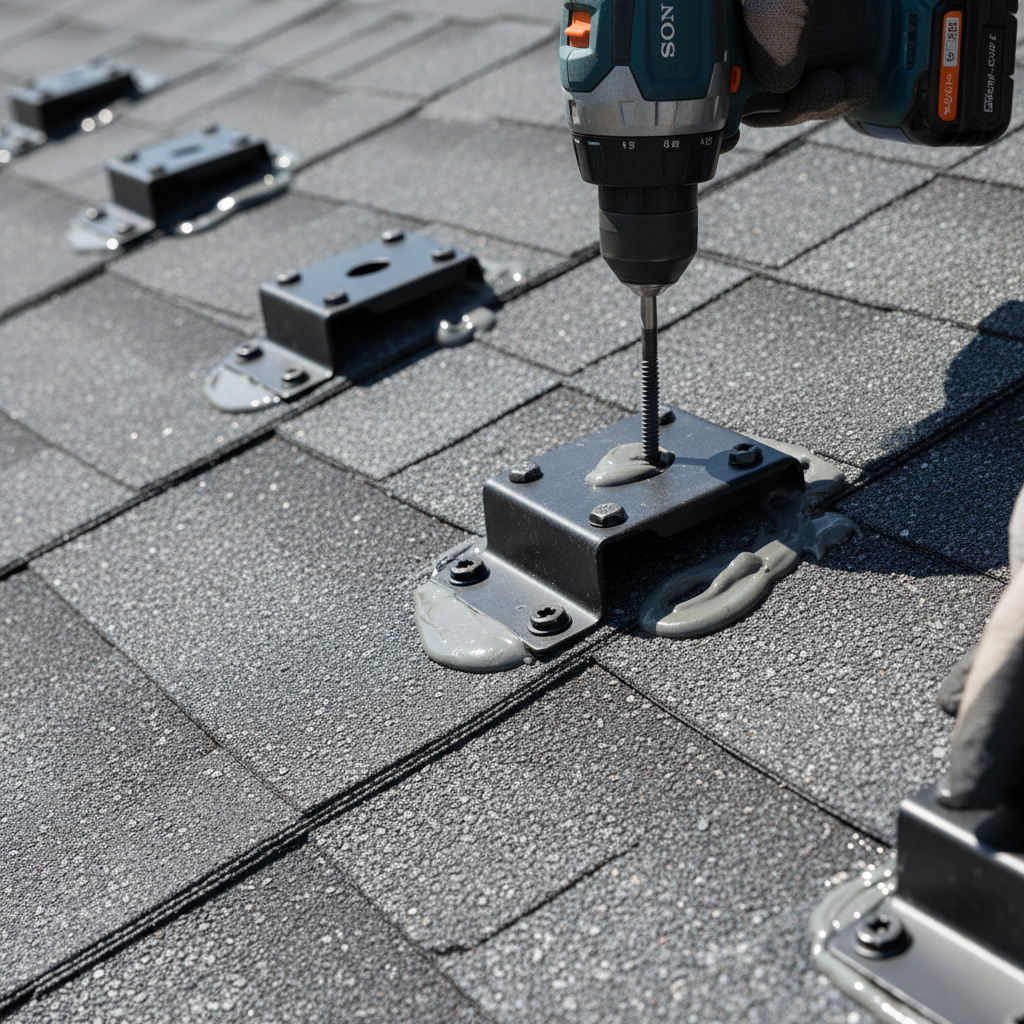
Roof vents get battered by gusts up to 60 mph here. Bent or clogged ones trap heat and moisture inside. Edges like fascia boards rot quietly from poor drainage.
Run your hand along drip edges for lifts or gaps. Peeling paint on soffits hides rot eating your overhangs alive. Fix these before the next storm rips them off.
Case Study: Saving a Lakewood Home from a $15K Hail Disaster
Picture this: Mike in Lakewood calls us after a brutal hailstorm last spring. His roof looked okay from the street, but he knew better than to trust appearances. One quick inspection changed everything.
What the Walk-Up Revealed
We spotted the damage right away. Granule loss on shingles everywhere. Bruising from hail impacts that screamed future leaks.
- Flashing around the chimney cracked and lifting.
- Gutters clogged with hail debris, ready to overflow.
- Vents with dents that would whistle wind right into the attic.
Mike thought it was minor. Wrong. Left alone, insurance estimates pegged full replacement at $15,000.
The Quick Fix That Saved His Wallet
We targeted repairs only where needed: new flashing, cleared gutters, sealed edges. Total cost? Under $4,000. His insurance covered most after our detailed report.
Today, Mike's roof stands strong against Denver's next storm. Proof a sharp-eyed check beats a wallet-draining redo every time.
Final Words
Grab a ladder this weekend. Run through this checklist yourself.
Spot red flags early? Call in the pros before small cracks become cash drainers. Denver roofs take no prisoners.
Quick Action Steps
- Photograph damage for insurance claims.
- Schedule a full roof inspection if anything looks off.
- Act now. Monsoon season waits for no one.
Your home deserves it. Skip the hassle. Save the headache.
People Also Ask
How often should Denver homeowners inspect their roofs?
Denver homeowners should inspect their roofs at least twice a year—once in spring and once in fall—to catch weather-related damage early. After major storms like hail or high winds, schedule an immediate check to prevent costly repairs. Professional inspections every 2-3 years ensure longevity, especially with Colorado's extreme weather.
What are the first signs of roof damage locals check in Denver?
Locals first scan for missing, cracked, or bruised shingles from hail, a common Denver issue. They also look for loose flashing around chimneys and vents, which storms often exploit. Granule loss in gutters signals UV degradation that weakens shingles over time.
How do I safely inspect my own roof in Denver?
Always prioritize safety with sturdy ladders, non-slip shoes, and a spotter; never go up in wet or windy conditions. Use binoculars from the ground to check shingles, edges, and gutters without climbing. For thorough assessments, hire a local Denver roofer to avoid risks and ensure accuracy.
When is the best time for a roof inspection in Denver?
Spring and early summer are ideal before monsoon season brings heavy rains and hail. Fall inspections prepare for winter snow loads and ice dams. Post-storm checks within 48 hours prevent hidden leaks from worsening.
How much does a roof inspection cost in Denver?
Basic roof inspections in Denver typically range from $150 to $300, depending on roof size and accessibility. Many local roofing companies offer free inspections during storm season to build trust. Comprehensive reports may add $50-$100 but save thousands in future repairs.

Denver Roofing delivers expert roofing services to homes and businesses throughout Denver, CO. With years of hands-on experience, their team manages installations, repairs, and maintenance tailored to local needs. Rooted in the Denver community, they prioritize durable solutions for the area's weather conditions.
Need Roofing?
Fast roof repairs and replacements for lasting protection in Denver, CO and nearby areas (80202, 80203, 80204, 80205, 80206).
Get Roof Quote