


⚡ TL;DR: Discover seven common roof replacement mistakes in Denver, CO—like skipping inspections and choosing weak materials—and how to avoid them for lasting results.
📋 What You’ll Learn
In this Denver roof replacement guide, you’ll learn to dodge 7 costly mistakes—from skipping inspections to poor material choices—ensuring your roof withstands hail, snow, and wind for decades.
- Master post-hail roof inspections to spot hidden damage early, secure insurance claims, and prevent premature failures that plague Denver homeowners after severe storms.
- Vet contractors like a pro by verifying licenses, references, and local experience to avoid shoddy work, delays, and warranty issues from unlicensed roofers.
- Adapt to Denver's extreme weather demands like hail, heavy snow, and high winds, building resilience that extends roof life and cuts long-term repair costs.
- Choose impact-resistant materials wisely over cheap options that shatter under hail, saving thousands on frequent replacements in Colorado's stormy conditions.
- Prioritize ventilation, flashing, underlayment details to stop leaks, ice dams, and mold, ensuring a durable installation tailored to Denver's variable climate.
📖 Reading time: 7 min
✍️ Author expertise: Denver roofing contractor with 15+ years of hands-on replacement experience in hail-prone areas.
You're staring at a fresh $20,000 roof on your Denver home after that monster hail storm last spring, feeling like a king. Then three months later, leaks drip into your living room during the first snow melt, and your contractor ghosts you.
That nightmare hits hundreds of Denver homeowners every year, turning a smart investment into a money pit. The worst part? It all stems from simple mistakes you can sidestep with the right know-how.
In this post, we'll expose the seven deadliest blunders in Denver roof replacement that drain your wallet and wreck your peace of mind. Read on to arm yourself and make your next roof last decades.
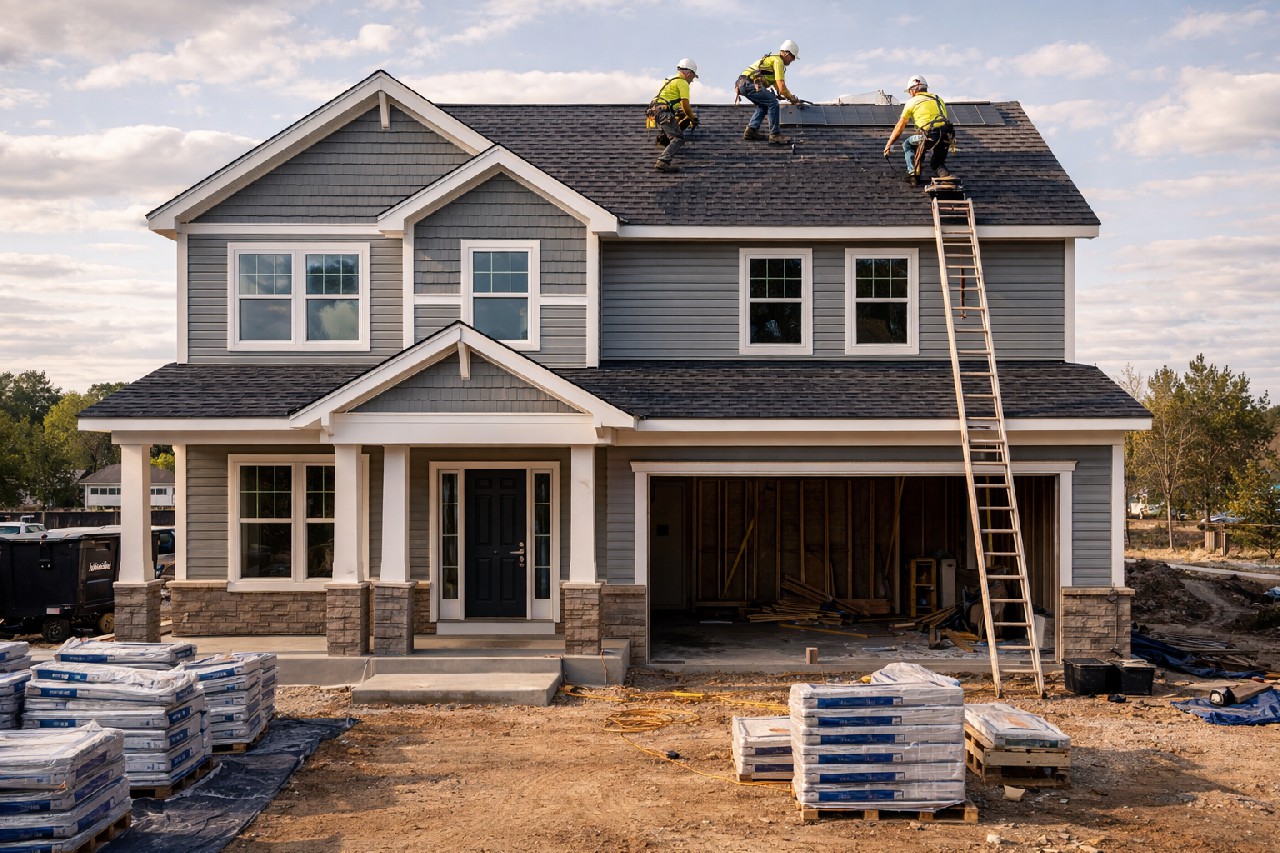
Mistake #1: Skipping a Thorough Post-Hail Roof Inspection
Denver's hail storms pound roofs like a boxer on a speed bag. You think your shingles look fine from the ground, so you skip the inspection. Big error. Hidden cracks and bruises hide up there, waiting to leak when snow melts.
Without a professional post-hail inspection, you're flying blind. Drones or climbers spot damage your eyes miss. Insurance claims flop without proof, leaving you footing the full bill.
- Check granule loss on shingles – hail strips them fast.
- Look for soft spots or dents that signal underlying breaks.
- Get it documented with photos for your claim.
One overlooked ding turns into water damage costing thousands. Call in experts right after the storm. It'll save your wallet and your roof's life.
Mistake #2: Hiring Unvetted or Unlicensed Denver Contractors
Picture this: You grab the lowest bid from a guy who knocked on your door after the hailstorm. He promises the moon, vanishes after a partial job, and leaves you with a botched roof and zero recourse.
Denver's cutthroat roofing scene crawls with fly-by-night operators. These unlicensed hacks dodge building codes, skip insurance, and bolt when leaks start. Your $20K investment? Poof. Gone.
Don't fall for it. Vet every contractor like your house depends on it. Because it does.
- Check the Colorado Roofing Contractors license via the state database. No license? Walk away.
- Demand proof of liability insurance and workers' comp. Call the carrier to verify.
- Scour BBB, Angi, and Google reviews. Hunt for Denver-specific feedback on hail jobs.
- Get three bids. Ask for five local references with roofs over two years old. Call them all.
One Denver client hired a "bargain" crew last summer. Leaks hit by fall. Cost to fix with pros? Double the original price. Stick to vetted locals, and sleep easy.
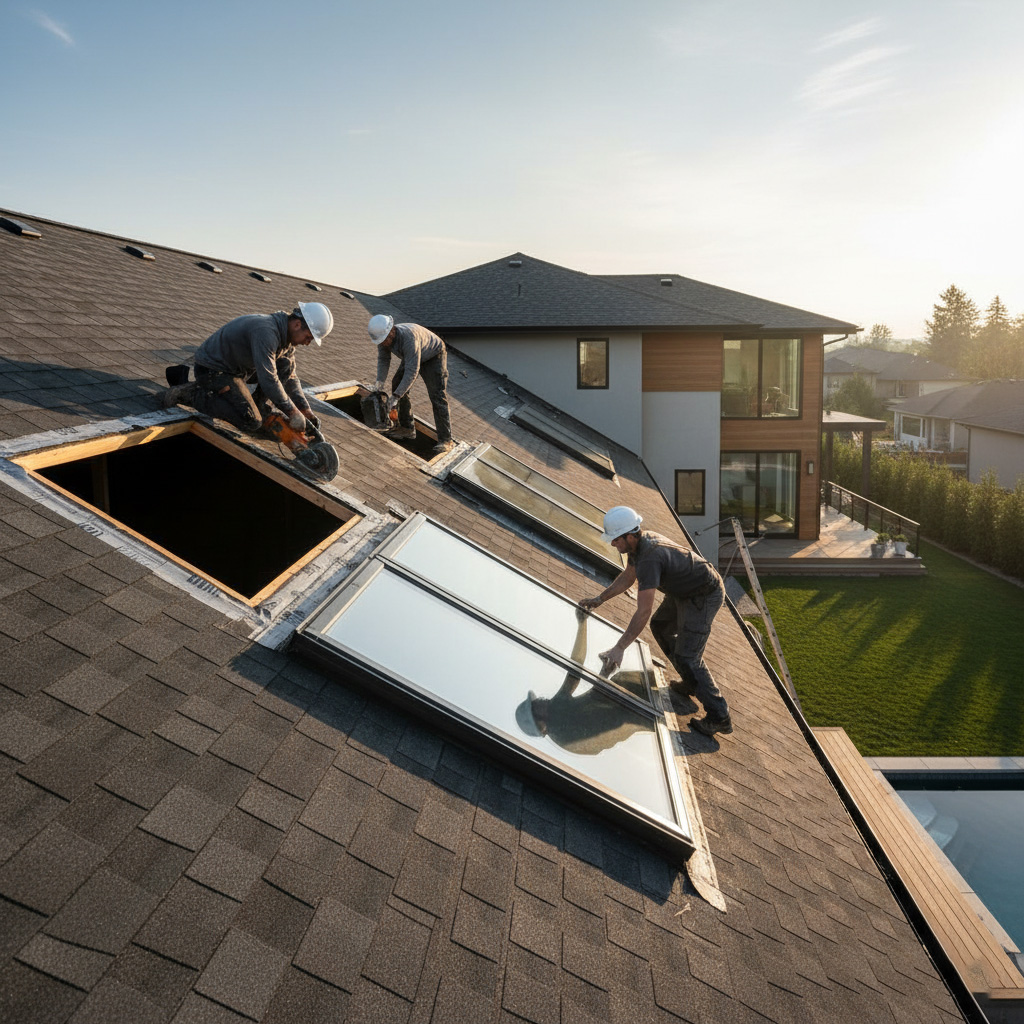
Mistake #3: Ignoring Denver's Hail, Snow, and Wind Demands
Denver's weather doesn't mess around. Golf-ball-sized hail pounds roofs every spring, snow piles up thick in winter, and gusts over 70 mph rip through the Front Range. Pick materials that can't take the beating, and you're back to square one in a couple years.
Standard shingles crumble under hail like cheap drywall. Snow loads bend weak structures. Wind lifts poorly secured edges right off.
Key Denver Weather Specs Your Roof Must Beat
- Hail Resistance: Class 4 impact-rated shingles shrug off two-inch hailstones without cracking.
- Snow Load: Engineered for 40+ psf to handle our heavy dumps without sagging.
- Wind Uplift: ASTM-tested to 110 mph minimum, with sealed edges that lock tight.
Skip these, and insurance claims skyrocket. One Mile High client watched his "budget" roof sail into the neighbor's yard during a freak windstorm. Don't let that be you.
Mistake #4: Opting for Cheap, Non-Impact-Resistant Materials
Picture this: Denver's brutal hailstones smash into your new roof like golf balls from hell. You went with the bargain shingles to save a few bucks upfront. Boom. Six months later, they're granulated, cracked, and failing fast.
Cheap materials laugh at Denver's hail seasons. Standard three-tab shingles rate Class 1 or 2 for impact. They shred under 1.75-inch hail, the kind we see yearly around here.
Why Impact-Resistant Shingles Win Every Time
- Class 4 rated asphalt or composite: Withstand 2-inch hail without cracking.
- Thicker mats and tougher granules hold up to wind gusts over 110 mph.
- Insurance perks: Many carriers offer premium discounts, slashing your long-term costs.
Skip the temptation of "good enough." Demand proven impact-resistant options from your roofer. Your wallet and sanity will thank you after the next storm rolls through.
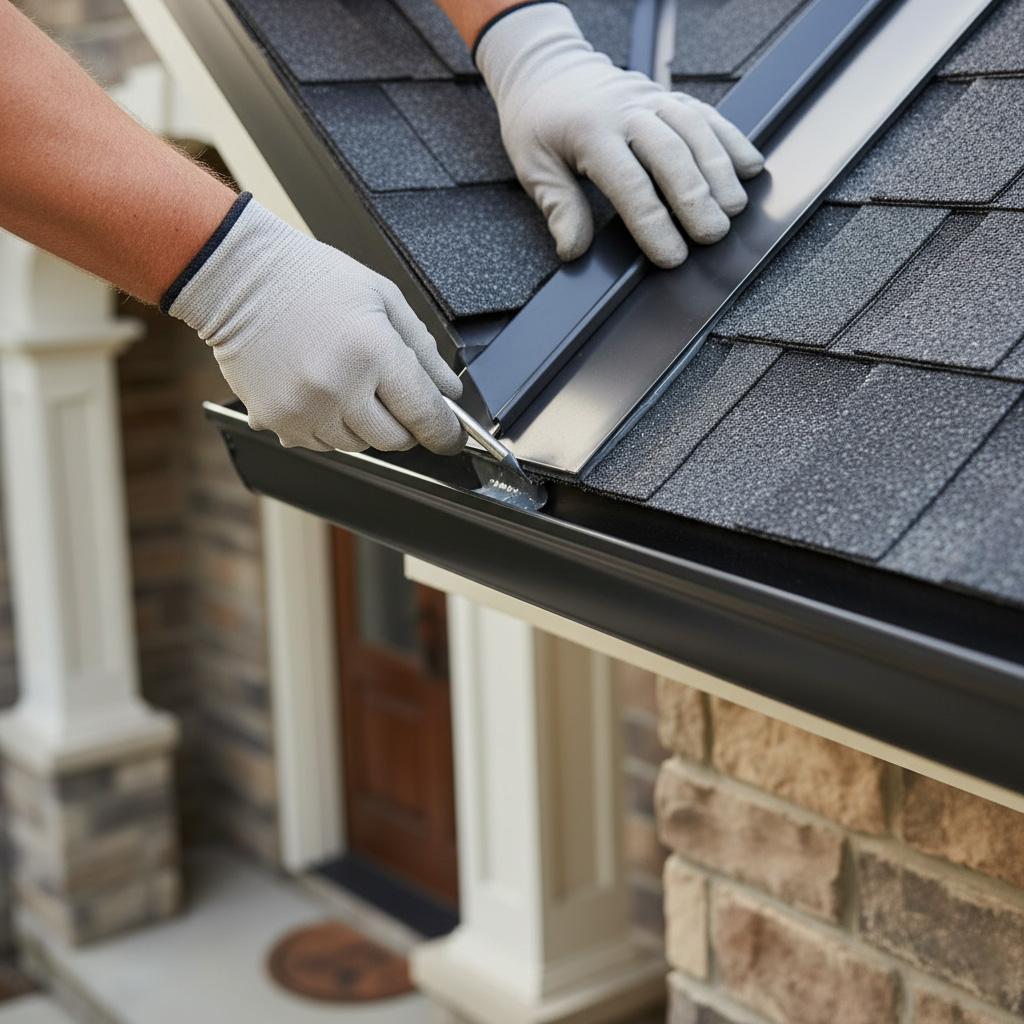
Mistake #5: Overlooking Ventilation, Flashing, and Underlayment
Picture this: Your new Denver roof looks perfect from the street. But inside, moisture builds up fast because poor ventilation traps hot air in summer and freezes it into ice dams come winter.
Skip proper soffit and ridge vents, and you're begging for rot, mold, and skyrocketing energy bills. Denver's wild swings from 90-degree days to sub-zero nights demand airtight airflow to keep your attic dry and your shingles alive.
Why Flashing Fails You
- Leaky chimneys and skylights? Blame shoddy metal flashing that rusts or gaps under hail pummeling.
- One missed valley flashing, and snowmelt turns into a waterfall straight into your home.
- Pro tip: Insist on heavy-duty, Colorado-code-approved flashing sealed with high-grade caulk.
Underlayment is your roof's unsung hero, that synthetic barrier blocking water before it hits the deck. Cheap felt paper tears in Denver winds, inviting leaks that rot rafters.
Go synthetic ice-and-water shield in valleys and eaves. It grips like glue during storms, saving you from a $10K tear-off down the road.
Denver Case Study: Fixing a $35K Multi-Mistake Roof Replacement Disaster
Meet Sarah from Aurora. Last summer's hail trashed her roof. She skipped the pro inspection, grabbed the cheapest bid from an unlicensed crew, and watched her "bargain" turn into a catastrophe.
Leaks hit during first snow. Shingles flew off in wind gusts. Turns out, they botched ventilation, used junk flashing, and ignored impact-rated materials. Total redo? A gut-wrenching $35,000.
Quick Breakdown of Her Blunders
- No post-hail check: Missed hidden cracks.
- Unvetted contractor: No license, no bond, pure headache.
- Wrong materials: Standard asphalt shredded by Denver weather.
- Skipped basics: Poor underlayment let water invade.
We stepped in. Tore it down to the deck. Installed Class 4 impact shingles, proper venting, and code-compliant flashing. Her new roof? Bulletproof for another 30 years. Cost her double, but now she's sleeping sound.
Final Words: Your Checklist to Avoid Roof Replacement Regrets.
Listen up, Denver homeowner. You've seen the disasters. Now grab this no-BS checklist to bulletproof your roof job.
Print it. Stick it on your fridge. Run every contractor through it before you sign a dime.
Quick-Fire Checklist: Tick These Boxes or Walk Away
- Post-hail inspection? Demand a full, written report from a certified inspector. No shortcuts.
- Vetted crew? Check licenses, insurance, and Roof Replacement reviews on BBB and Google. Call three references.
- Denver-tough materials? Class 4 impact-rated shingles only. Verify wind and snow warranties.
- Details nailed? Get ventilation, flashing, and underlayment specs in the contract. No vague promises.
- Fixed price contract? Everything in writing. No change orders without your sign-off.
Follow this, and your roof laughs at hail storms for 30+ years. Screw it up? Back to square one with leaks and empty pockets.
Ready to get quotes done right? Hit us up. We've fixed enough messes to spot winners from losers in seconds.
People Also Ask
How much does a roof replacement cost in Denver, CO?
Roof replacement costs in Denver typically range from $8,000 to $25,000, depending on roof size, materials, and labor. Factors like hail damage or premium impact-resistant shingles can increase prices, but skipping inspections or cheap materials often leads to higher long-term costs. Get multiple vetted quotes to avoid overpaying for subpar work.
What are the most common roof replacement mistakes in Denver?
Common mistakes include skipping post-hail inspections, hiring unlicensed contractors, and ignoring local weather demands like hail and snow. Opting for cheap, non-impact-resistant materials or overlooking ventilation and flashing also tops the list. These errors can turn a $15K job into a $35K disaster, as seen in local case studies.
How do I choose a reliable roofing contractor in Denver?
Vet contractors by checking licenses, insurance, and references specific to Denver's hail-prone climate. Avoid low bids from unvetted firms, as they often cut corners on materials and installation. Look for Class 4 impact-rated shingle experts with proven hail storm experience.
Why are impact-resistant shingles important for Denver roofs?
Denver's frequent hail storms demand impact-resistant shingles to prevent granule loss and premature failure. Non-resistant materials shatter easily, leading to leaks and insurance claim denials. Investing upfront saves thousands in repairs and boosts home value.
What should I inspect before a Denver roof replacement?
Start with a thorough post-hail inspection to document damage for insurance. Check ventilation, flashing, underlayment, and ensure materials match Denver's wind and snow loads. Professional assessments prevent hidden issues that inflate costs later.

Denver Roofing delivers roofing services to homes and businesses across Denver, CO. With years of hands-on experience, the team manages installations, repairs, and maintenance tailored to local needs. Rooted in the Denver community, Denver Roofing navigates Colorado's distinct weather challenges.
Need Roofing?
Fast roof repairs and replacements for lasting protection in Denver, CO and nearby areas (80202, 80203, 80204, 80205, 80206).
Get Roof Quote